





























Atlanta dermatologists talk restorative cold-weather skincare
As the outdoor temperatures transition from sticky and sweltering to dry and cold, Atlanta dermatologists recommend adjusting your skincare routine to protect the face and body during cooler weather. The post Atlanta dermatologists talk restorative cold-weather skincare appeared first on Rough Draft®.
As the outdoor temperatures transition from sticky and sweltering to dry and cold, Atlanta dermatologists and estheticians recommend adjusting skincare routines to match the weather.
Board-certified dermatologist Joanne Jacob, M.D. said her patients often experience tighter, flakier, and itchier skin in the cooler months.
“The humidity drops, we turn on our heaters, and because we’re sweating less, we tend to forget to hydrate as much,” Jacob said.
Cold, dry air can also exacerbate pre-existing skin conditions such as eczema, psoriasis, and rosacea. Jacob, along with another Atlanta skincare expert, suggest the following skincare tips to protect the face and body during cooler weather.

Keeping skin hydrated
Jacob said hydration is key to a quality skincare routine in the colder months.
“You’re going to have to increase moisturizer application, be gentle with your skincare, and even consider skipping some of the stronger actives in your routine that your skin may have tolerated in the summer months,” she said.
This might include trying thicker, gentler, and fragrance-free products from dermatologist-developed brands like CeraVe and Avène, especially for people with sensitive skin.
Amy Leavell Bransford, owner and lead esthetician at Aviary Beauty + Wellness in the Old Fourth Ward and Summerhill, offers similar advice to her clients.
“Personally, I like a heavier moisturizer and a hydrating serum on the skin, then top my product or my makeup with additional moisture just to lock everything in,” Bransford said.
Jacob also suggests a thin layer of healing ointment like Vaseline or Aquaphor to seal in moisture and prevent cracking in hands, feet, and other areas prone to dryness.

Protecting the skin barrier
Cold, dry air slows down skin’s natural oil and protein production. This weakens the skin barrier, the outermost layer of the epidermis that protects skin from bacteria, irritants, and environmental toxins.
While “glass skin” product recommendations are dominating social media, Jacob said these products often contain ingredients that can irritate or even harm skin.
“Stacking acids, retinoids, and vitamin C is a fast way to damage the skin barrier, and the weather this time of year makes that worse,” she said.
The skin barrier is also sensitive to environmental factors. Jacob said keeping showers short and lukewarm will help the skin retain natural oils, as will running a humidifier in rooms with central heating.
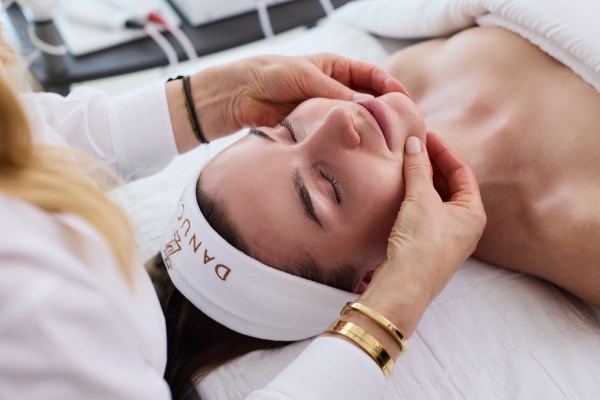
Skincare treatments like lymphatic drainage, a gentle massage technique that moves fluids and metabolic waste away from facial tissues toward the lymph nodes in the neck and collarbone, can also help restore the skin barrier.
“It can really help get rid of that puffiness and dullness in your face, boost circulation, and restore that dewy glow,” Bransford said.
That circulation boost not only stimulates natural oil production, but improves absorption of moisturizers and other skincare products.

Additional treatments and annual checkups
“This time of year is a great time to incorporate procedures like chemical peels or lasers that need good sun protection afterward when you can be inside for recovery,” Jacob said.
And fall is an ideal time to schedule a checkup with a dermatologist, especially for patients who experienced extended sun exposure or sunburns during the summer. In addition, those annual appointments provide an opportunity to discuss any itchiness, dryness, or rashes that have not improved with over-the-counter products.
Regardless of the season, Jacob said sunscreen application is the most important step in any skincare routine.
“Even if it’s not hot outside, the UVA rays from the sun don’t change and are present year-round and can pass through clouds and windows,” said Jacob.
Being diligent about ingredients is also critical in any season.
“‘Natural’ doesn’t always mean gentle or better,” Jacob said. “Botanical ingredients are among the most common causes of allergic reactions that we see in clinic.”
The post Atlanta dermatologists talk restorative cold-weather skincare appeared first on Rough Draft®.
What's Your Reaction?